
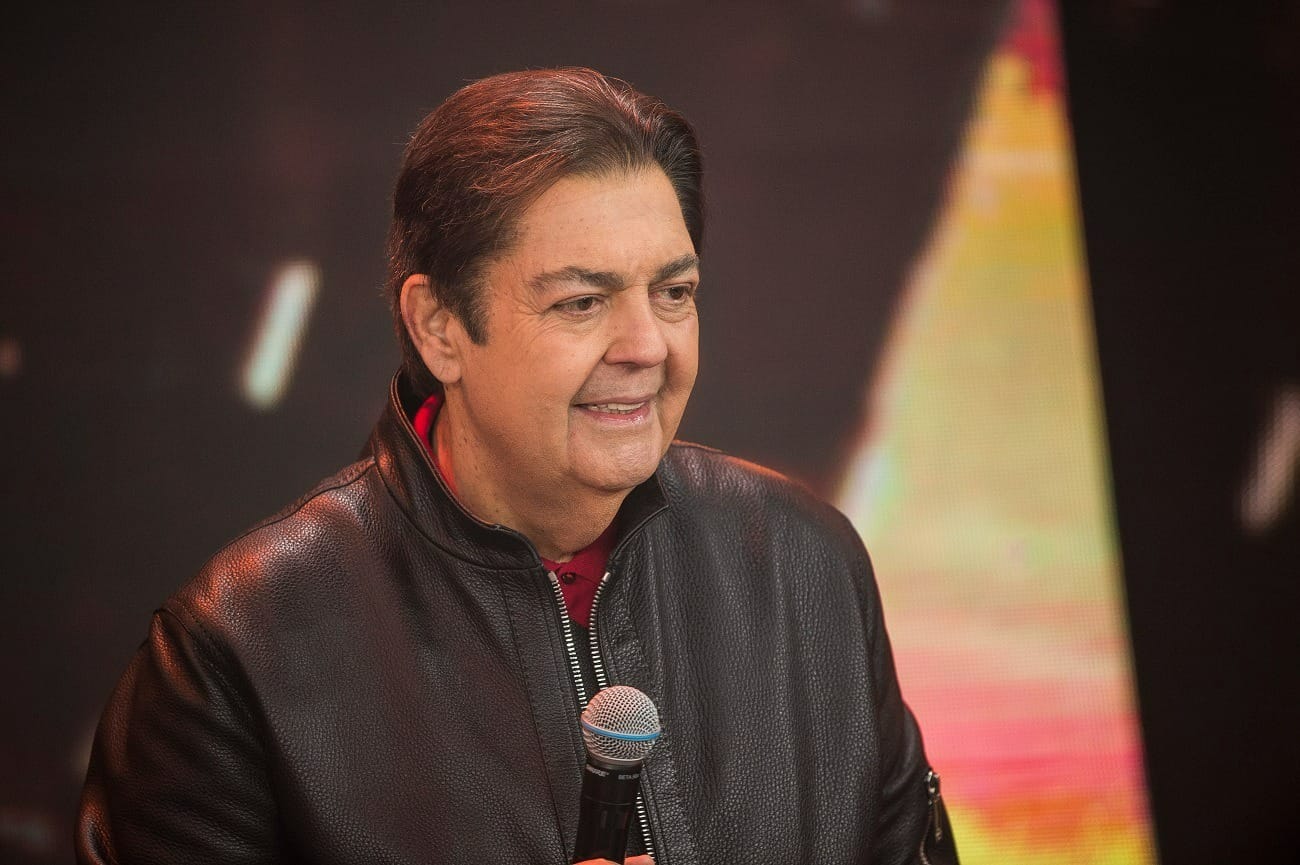
In the comments, we thanked one of the teams participating in the Organ Transplant Olympics for the reminder and support. “We are a team of transplant athletes who have their sporting motivation to mobilize society around organ and tissue donation! May Fausto recover quickly, so we can soon make a positive impact on the donation and transplantation scenario in Brazil! Count on us!”
Brazil has the largest public transplant system in the world, and is the second largest transplant country, after only the United States. The structure is managed by the Ministry of Health, ensuring that 90% of surgeries are performed through the Unified Health System (SUS).
What is the Transplant Olympiad?
It was created in 1978 in England, with the participation of 99 athletes from the United Kingdom, France, Greece, Germany and the United States. World transplant games. The objectives were to use competitive sport to demonstrate the recovery of the health of organ transplant recipients and thus promote and motivate organ donation.
Also known as the Transplant Olympics, among the characteristics of the Games there is one that stands out: the participants are not just athletes seeking Olympic victory as their life’s goal. These are the people who, after a transplant, have the opportunity in sport to show the world that hope is always greater than all the challenges around us and that with courage and perseverance it is possible to overcome them.
So the Games are not just another competition. It is a celebration of the joy of life and an opportunity to show the world that hope is greater than all the difficulties that surround us.
The non-profit project explains on the official website that the World Transplant Games work to raise public awareness about the importance and benefits of organ donation, demonstrating the health and fitness that can be achieved after an organ transplant.
“Our athletes are ambassadors for the value of organ donation, striving for complete rehabilitation through exercise, camaraderie and healthy living, giving hope to people on transplant waiting lists around the world. The Games provide recipients with a way to say ‘thank you’ to those who make it all possible.” – Living and deceased donors, their families, healthcare professionals, researchers and caregivers. “Without them, there would be no one at the starting line,” the page explains.
Is there a Brazilian sports league for organ transplants?
Yes! It all started when some transplant athletes started talking about their dream of participating in the WTG 2023 (World Transplant Games) in Australia. Convinced that unity is strength, they decided to form a group to fight for this dream.
Since then, a group has been formed that sees sport as a way to connect Brazilian athletes who have undergone organ and tissue transplants to an active sporting life, that is, those who have a fixed training routine and participate in national and international sporting events.
They believe in saving lives by raising awareness about organ donation and seek to support and bring hope to others, showing, through the life examples of athletes themselves, that overcoming this is always possible. Moreover, they disseminate information about sports and its positive effects on the physical and mental health of pre- and post-transplant patients and everyone else.
In this way, the Association of Transplanted Athletes of Brazil stimulates and encourages the growth of sports for transplant recipients throughout the country.
Find out what “spontaneous” organ donation is, and which the family also calls for
On August 27, Faustau, 73, underwent a heart transplant. He was hospitalized for more than a month at Albert Einstein Hospital after suffering severe heart failure.
In order to stimulate organ donation, João Guilherme Silva and Luciana Cardoso arrived in Brasilia to support a draft law on “automatic” organ donation. “We’re here for a really great reason. We came here to try to change this legislation, and to talk to representatives and senators as well, to see if we can change the legislation on presumptive donations.”
What does presumed organ donation mean?
João Guilherme explained how the method works: “Everyone is a donor until the person decides, in fact, if they do not want to be a donor, that person speaks out. So, even the opposite, everyone is a donor.” He added: “We will try to change the history of Brazil and all these people who “They stand in line today, they will get the organ faster.”
Brazil currently adopts an approved donation model. In these cases, the patient’s family – or the person themselves, in cases of living donors – must authorize the removal of the organ for a possible transplant.

Charlotte Whitmore is a contributor at Mediarunsearch.co.uk, covering a broad range of topics including news, politics, business, technology, sport, entertainment, and lifestyle. She focuses on delivering clear, balanced reporting and practical information that helps readers stay informed about current events and emerging developments. Her work highlights stories that matter to everyday audiences, with an emphasis on accuracy, relevance, and accessible journalism that keeps readers connected to the issues shaping the UK and beyond.