
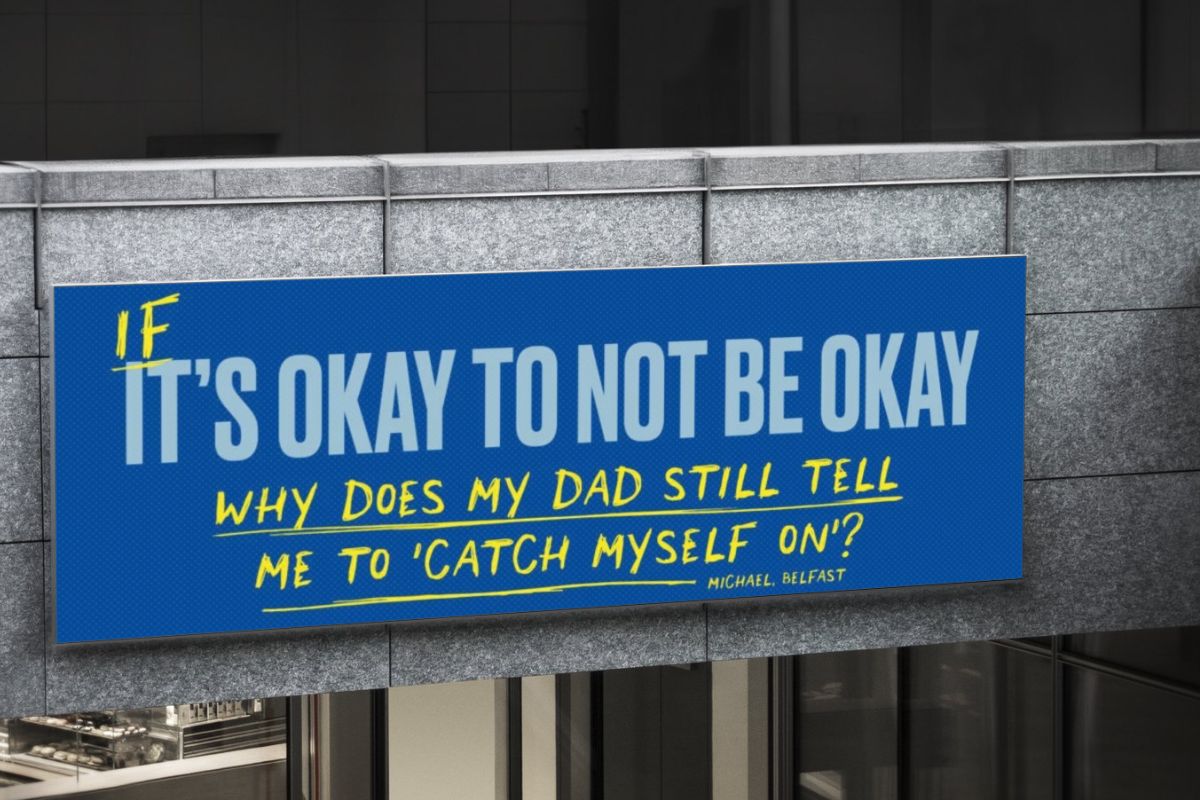
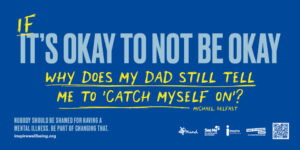
London – Various forms of the phrase “It’s OK to not be OK” appear in films, books and emotional wellbeing campaigns, but a campaign by a coalition of UK mental health organisations, launched in March, goes further.
By adding the word “if” to the somewhat worn-out phrase, this measure addresses the concerns that people with mental illness feel when faced with situations such as finding a job or simply accepting their medical condition.
“If it’s okay to not be okay, why should I worry that my anxiety will prevent me from getting the job I love?”
The organizations' movement has given a voice to those who are afraid to talk about what they are going through.
Billboards went up across the country, and social media content was created based on real testimonials.
Concerns about shame are justified in a recent study of 2,000 Britons by Mind, one of the organisations leading the campaign.
- 51% Of those interviewed, they believe so. There is still shame mental health related
- 56% of those with reported mental health problems I feel shy
- 12% They still believe that people with mental illnesses They should be ashamed. From your condition
The organization draws attention to the impact of shame, which fuels stigma and acts as a barrier to seeking help.
Men show lower levels of knowledge about mental health, and are more likely to feel ashamed than women.
They have more negative attitudes toward seeking help and, therefore, are less likely to seek support.
Where's the happy meal smile?
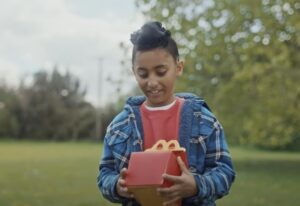
In a campaign on the occasion of Mental Health Awareness Weekwhich runs from May 13 to 19 in the UK, McDonald's has temporarily removed the smiley that appears on millions of its Happy Meal boxes in the country and produced a video giving children a voice.
The goal was to remind people that it's okay not to be happy all the time, helping to stimulate family conversations about emotions and break the taboo of forced happiness.
A survey commissioned by the company revealed that nearly half (48%) of the country's children feel they should be happy all the time, even if they don't feel that way.
In addition to the limited edition Happy Meal boxes, Sticker sheets are delivered to stores that show a range of emotions that children go through, allowing them to Express your feelings directly on the boxes themselves.
Read also | McDonald's 'hangs' smiles and gives kids a voice in UK mental health campaign; watch

MediaTalks Special Report – Communications, Journalism, Social Media and the Mental Health Crisis

Charlotte Whitmore is a contributor at Mediarunsearch.co.uk, covering a broad range of topics including news, politics, business, technology, sport, entertainment, and lifestyle. She focuses on delivering clear, balanced reporting and practical information that helps readers stay informed about current events and emerging developments. Her work highlights stories that matter to everyday audiences, with an emphasis on accuracy, relevance, and accessible journalism that keeps readers connected to the issues shaping the UK and beyond.