
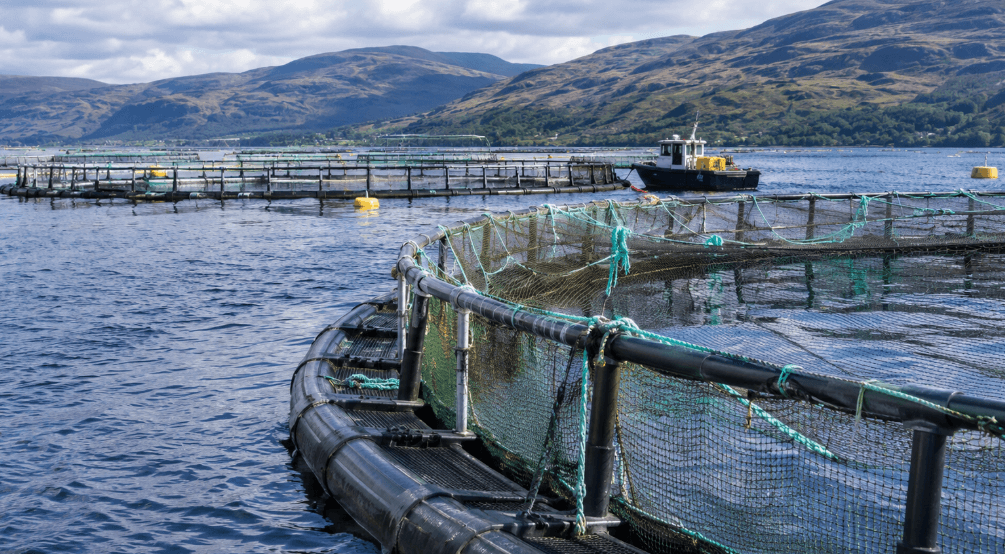
The future of organic salmon farming in Britain has come under scrutiny after the Soil Association announced it would withdraw certification from farmed salmon following two decades of involvement. The decision raises significant questions about environmental sustainability, fish welfare and the practices used by Scotland’s £1 billion salmon farming industry.
Soil Association Withdraws Organic Salmon Certification After 20 Years
The Soil Association, one of the UK’s leading organic certification organisations, announced its decision following an extensive review of salmon farming standards.
The organisation concluded that environmental protection and animal welfare outcomes were falling short of its requirements, with insufficient evidence that meaningful improvements could be achieved quickly enough.
Helen Browning, chief executive of the Soil Association, said the organisation had initially hoped to develop an aquaculture system capable of meeting organic production principles.
“When we started working on salmon 20 years ago, we had an aspiration for an aquaculture system that could deliver the principles of organic production in the sea.
“We envisioned a multi-trophic, enriched environment which could provide the resources for a good life for salmon, with minimal negative impact on other species. However, progress along these lines has been negligible … the evidence suggests that welfare and environmental outcomes are not sufficient for us to continue.”
The withdrawal represents a significant development for an industry that has increasingly promoted sustainability and responsible production to British consumers.
How Salmon Farming Became a £1 Billion British Industry
From Small Scottish Farms to Industrial Production
Commercial salmon farming in Britain began in 1971, when 14 tonnes of fish were produced near Fort William on Scotland’s west coast.
The operation was pioneered by multinational company Unilever, which had spent years developing methods to rear salmon in cages while managing disease and challenging weather conditions.
During the 1960s, the company recognised that aquaculture could transform salmon from a relatively expensive wild-caught product into an affordable food available to a much larger market.
By 1976, Unilever operated three Scottish farming sites producing approximately 116 tonnes annually.
Today, Britain’s salmon farming industry produces around 205,000 tonnes of fish each year, generates approximately £1 billion in annual economic value and employs about 2,500 people in Scotland.
Most British salmon farming takes place in Scottish coastal waters, where sheltered sea lochs provide locations for large-scale aquaculture operations.
Salmon Remains a Favourite Among British Consumers
Despite growing environmental concerns, salmon remains Britain’s most popular fish.
UK households consume approximately 65,000 tonnes annually, attracted partly by its nutritional reputation.
Salmon is widely marketed as a source of protein, omega-3 fatty acids and other nutrients associated with a balanced diet.
However, consumers may not always recognise the differences between wild Atlantic salmon and fish raised through intensive commercial aquaculture.
Farmed salmon typically has a pale pink appearance and visible white fat lines, reflecting characteristics associated with its rearing and feeding conditions.
Environmental Concerns Surround Scottish Salmon Farms
Wild Atlantic Salmon Populations Face Severe Decline
The expansion of commercial salmon farming has occurred alongside a substantial decline in wild Atlantic salmon populations.
According to the Atlantic Salmon Trust, wild Atlantic salmon numbers have fallen by more than 70% in British waters over recent decades.
The decline highlights wider pressures affecting freshwater and marine ecosystems, including deteriorating environmental conditions and rising ocean temperatures linked to climate change.
Although the decline cannot be attributed solely to salmon farming, it has intensified scrutiny of the industry’s environmental impact.
The Soil Association’s decision reflects concerns about whether current production methods can meet the environmental standards expected of organic agriculture and aquaculture.
How Farmed Salmon Are Raised in Scotland
From Freshwater Hatcheries to Sea Cages
Commercial salmon production involves several stages designed to control breeding, growth and feeding.
The process begins with eggs collected from female salmon, which are artificially fertilised and incubated in freshwater hatcheries under controlled conditions.
After hatching, young salmon are raised in tanks before being transferred into larger facilities as they develop.
At approximately 12 to 18 months, the fish are moved into seawater cages, where they continue growing until they reach market size.
During this stage, salmon are generally fed manufactured pellets containing fishmeal and other ingredients.
Fish may also receive veterinary treatments intended to prevent or control diseases associated with intensive aquaculture.
These production methods have enabled salmon farming to expand considerably, but they have also prompted questions about fish welfare, disease management and the environmental consequences of keeping large numbers of fish in confined marine environments.
What the Loss of Organic Status Means for British Salmon Farming
The Soil Association’s withdrawal creates a challenge for salmon producers seeking to demonstrate that their operations meet demanding environmental and welfare expectations.
It also raises questions for retailers and consumers who rely on organic certification when making purchasing decisions.
The decision does not mean that all Scottish salmon farming will cease or that farmed salmon can no longer be sold. Instead, it marks the end of the Soil Association’s certification of the sector under its organic standards.
For Britain’s salmon industry, the development places renewed attention on the need to improve farming practices while balancing commercial production, environmental protection and animal welfare.
With salmon remaining a staple of British diets, the debate over how it is produced is likely to become increasingly important for producers, regulators and consumers alike.

Edward Langley is a contributor at Mediarunsearch.co.uk, covering a wide range of topics including news, politics, business, technology, sport, entertainment and lifestyle. He focuses on delivering clear, balanced reporting and useful information that helps readers stay informed about current affairs and developing stories. His work highlights issues, trends and events that matter to everyday audiences, with an emphasis on accuracy, relevance and accessible journalism.