
Close Menu
    Facebook X (Twitter) Instagram
    Trending
    • New Zealand Thrash Australia 43-21 in Bledisloe Cup to Extend Winning Streak
    • Warhammer Age of Sigmar Reveals Three Khazalite Holds Armies of Renown Combining Duardin Forces
    • UK Households Could Face Higher Energy Bills Under Ofgem Plans to Protect Suppliers
    • Shark Nebula Image Wins Royal Observatory Greenwich Astronomy Photography Prize
    • Pre-Orders Open for Camp Snap 110 D Screen-Free Digital Camera
    • Researchers Used Claude to Exploit OpenAI Employee ChatGPT Accounts
    • Sigma Unveils 85mm f/1.2 DG Art as Its Fastest Portrait Lens Yet
    • South Park Creators Rename Show ‘South America’ in Apparent Trump Dig
    Mediarun Search
    • Home
    • Top News
    • World
    • Economy
    • Science
    • Technology
    • Sport
    • Entertainment
    • Contact Us
    Mediarun Search
    Home»Tech»The older and long black hole has 300 million times
    Tech

    The older and long black hole has 300 million times

    Edward LangleyBy Edward LangleyAugust 14, 2025No Comments1 Min Read
    Facebook Twitter Pinterest LinkedIn Tumblr Email
    The older and long black hole has 300 million times
    Share
    Facebook Twitter LinkedIn Pinterest Email

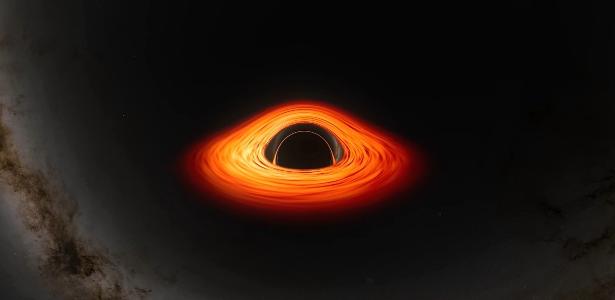
    This intense glow, for such a young galaxy, caused suspicions: it can come from the stars, but from a super black hole in complete activity, and the release of energy by warming and the pressure of the surrounding materials.

    The information has been confirmed by spectral analysis, which is a technique that analyzes the emitted light or is reflected in a object in different wavelengths, and the detection of information about its chemical composition, temperature, speed and movement.

    In the case of black holes, spectrum analysis discovers the gases that revolve and fall towards them. When the gas moves away from the observer, its light becomes more red (Doppler effect), and when approaching, Bluer. This bright “signature” is almost an exclusive evidence of an active black hole.

    The result also strengthens the hypothesis that “small red points” were more common in the beginning of the universe than imagined.

    A challenge for cosmic theories

    The most impressive data is the size: 300 million solar masses, equivalent to half of the stellar block for all its galaxy. Such a great growth in such a short time challenges the current models that have not been expected by very large black holes in cosmic history.

    Edward Langley

    Edward Langley is a contributor at Mediarunsearch.co.uk, covering a wide range of topics including news, politics, business, technology, sport, entertainment and lifestyle. He focuses on delivering clear, balanced reporting and useful information that helps readers stay informed about current affairs and developing stories. His work highlights issues, trends and events that matter to everyday audiences, with an emphasis on accuracy, relevance and accessible journalism.

    See also  TimTheTatman asks Activision to remove his Call of Duty skin
    Share. Facebook Twitter Pinterest LinkedIn Tumblr Email

    Related Posts

    Pre-Orders Open for Camp Snap 110 D Screen-Free Digital Camera

    September 19, 2026

    Sigma Unveils 85mm f/1.2 DG Art as Its Fastest Portrait Lens Yet

    September 9, 2026

    ChatGPT Hit by Major Outage as OpenAI Reports Errors and Delays

    September 1, 2026
    Leave A Reply Cancel Reply

    Navigate
    • Home
    • Top News
    • World
    • Economy
    • Science
    • Technology
    • Sport
    • Entertainment
    • Contact Us
    Pages
    • About Us
    • Contact Us
    • DMCA
    • Editorial Policy
    • Privacy Policy
    © 2026 Media Run Search. All Rights Reserved. Designed by Media Run Search.

    Type above and press Enter to search. Press Esc to cancel.