
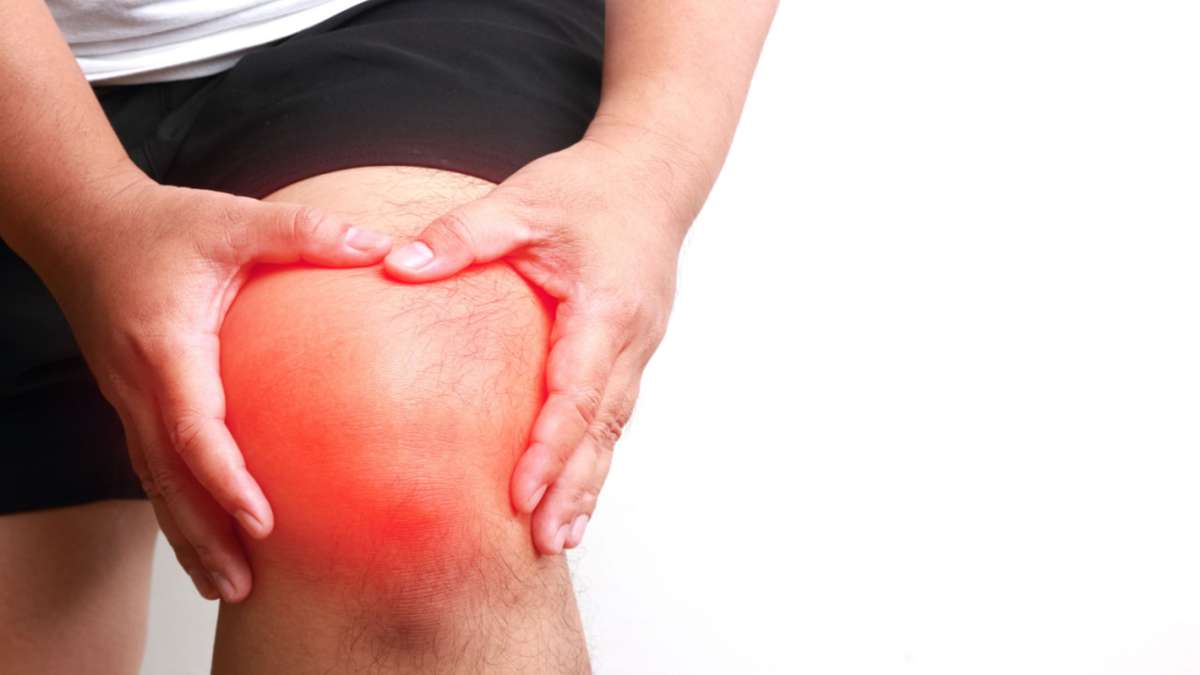
Lipoedema is a chronic condition that causes a disproportionate distribution of fat in the extremities of the body, especially in the lower extremities. This disease mainly affects women, and is often confused with obesity or weight gain due to the edema it causes. In fact, these edemas usually cause pain in the hips and knees.
The effect of lipedema on the knees and hips
Dr. Isaias Chavez, an orthopedist who specializes in knees and buttocks, explains that fat accumulation leads to inflammation and dysfunction of sensory nerve fibers. Due to the distribution of fat in the body, knees and hips become prime areas for pain.
“Fatty deposits near the knees and hips can also cause changes in the patient’s walking pattern, leading to the onset of an inflammatory process in the joints (arthritis),” the doctor warns.
How to treat the condition
The treatment of lipedema in general initially involves a multidisciplinary approach, explains the orthopedic surgeon. Therefore, physical therapy appears to be an important measure in pain control.
“Manual therapies, positional manipulation, appropriate compression with clothing, and exercise therapy targeting the hips and knees should be performed. In addition, the doctor prescribes regular manual lymphatic drainage in some cases.”
To treat lipedema, specifically, the specialist recommends the following:
- Manual lymphatic drainage.
- Appropriate compression therapy using specially made garments (compression classes II to III);
- Physical therapy and exercise therapy.
- Psychosocial therapy;
- Nutritional advice and weight control.
- Educate the patient about self-management.
In cases where conservative treatment (described above) does not yield results, surgical interventions are necessary to remove fat that inflames the body. “At this time, it is important to consult a plastic surgeon and evaluate the best approach,” says the professional.
Pay close attention to the problem
Dr. Isaias reveals that 10% of women suffer from lipoedema at some point in their lives – that is, one in ten patients. “Even with a high incidence, it is an underdiagnosed disease. This is because it is common for patients with lipoedema to have the pain caused by tendonitis or meniscus injuries in the knees, and ultimately, their treatment is not carried out properly.” , highlights the doctor.
Furthermore, obese patients with lipedema, even when they lose weight (after bariatric surgery, for example), may continue to accumulate inflammatory fat. Therefore, losing weight is not a guarantee of improving your condition. “If you have a diagnosis in the hip and knee and your pain does not improve, find a specialist in these joints for a proper evaluation,” highlights the orthopedist.

Charlotte Whitmore is a contributor at Mediarunsearch.co.uk, covering a broad range of topics including news, politics, business, technology, sport, entertainment, and lifestyle. She focuses on delivering clear, balanced reporting and practical information that helps readers stay informed about current events and emerging developments. Her work highlights stories that matter to everyday audiences, with an emphasis on accuracy, relevance, and accessible journalism that keeps readers connected to the issues shaping the UK and beyond.