
Close Menu
    Facebook X (Twitter) Instagram
    Trending
    • Ogor Mawtribes Gain Powerful New Rules in Upcoming Warhammer Age of Sigmar Battletome
    • Excel World Championship Goes Global as Competitors Tackle Puzzles in the Open Air
    • South East Water Ordered to Fund £30.5 Million Improvement Programme Following Major Supply Failures
    • Adobe Expands User Control Over AI Tools in Lightroom and Photoshop
    • Monitor Audio Radius Series 4G Launches With Ambitions to Redefine Compact Hi-Fi Sound
    • Anthropic to Hold White House Talks After AI Tool Suspension
    • Rayman Legends Retold Confirmed For October Release On Xbox Series X|S
    • Microsoft Tests AI Wearable Devices Designed for Office Workers
    Mediarun Search
    • Home
    • Top News
    • World
    • Economy
    • Science
    • Technology
    • Sport
    • Entertainment
    • Contact Us
    Mediarun Search
    Home»Tech»Harmony between the origin of the oceans and the future of astronomy
    Tech

    Harmony between the origin of the oceans and the future of astronomy

    Edward LangleyBy Edward LangleyJune 17, 2024No Comments2 Mins Read
    Facebook Twitter Pinterest LinkedIn Tumblr Email
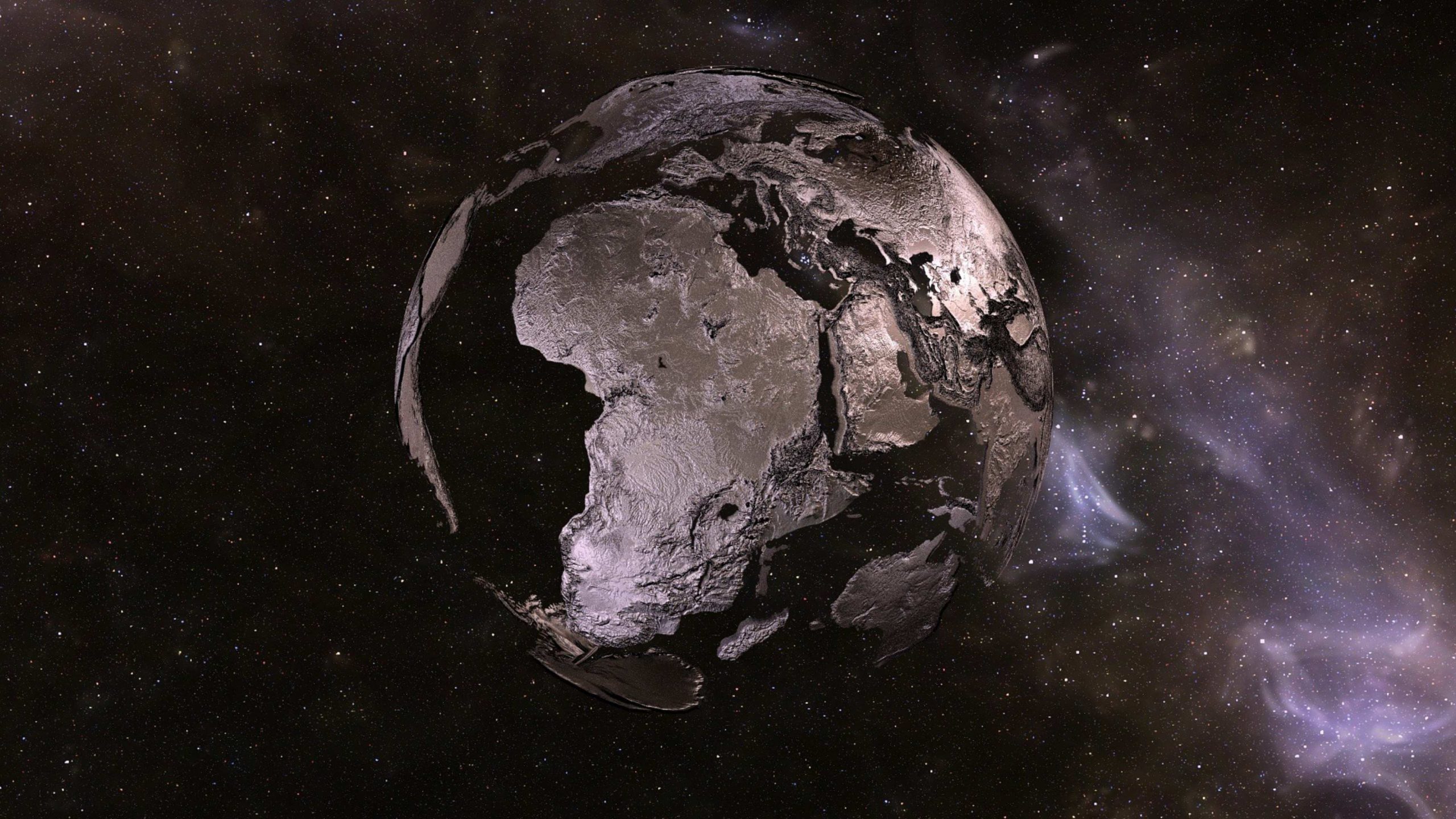
    Harmony between the origin of the oceans and the future of astronomy
    Share
    Facebook Twitter LinkedIn Pinterest Email

    The world of astronomy is full of surprises, especially when it comes to understanding the origin of Earth's oceans. Researcher Daryl Seligman from Cornell University tells us about some exciting discoveries that could change our perspective on this matter.

    And in the article he published On Space.comThe highlight is the Vera C. Rubin Observatory, in Chile, which received a reflective coating on its main mirror. This procedure is necessary to be able to capture light from very dark objects in the night sky.

    Read also:

    When we talk about very dark objects in the night sky, we mention comets and interstellar objects. Vera C. Rubin, scheduled to become operational in 2025, represents a new phase in astronomy for us to understand these objects further, beyond what current observatories on Earth allow.

    Where did the oceans come from?

    Some scientists suggest that the origin of our oceans came from comets and icy asteroids that arrived from space to Earth. Seligman also mentions mysterious objects from elsewhere in the universe (interstellar, such as 'Oumuamua and 2I/Borisov), with the potential to be cosmic messengers, bringing water and elements essential for life to planets around other stars.

    As the Vera C. Rubin Observatory advances, astronomy expects hundreds of new interstellar objects to be discovered in our solar system. In parallel, this means being closer to uncovering the secrets of our cosmic origin.

    Edward Langley

    Edward Langley is a contributor at Mediarunsearch.co.uk, covering a wide range of topics including news, politics, business, technology, sport, entertainment and lifestyle. He focuses on delivering clear, balanced reporting and useful information that helps readers stay informed about current affairs and developing stories. His work highlights issues, trends and events that matter to everyday audiences, with an emphasis on accuracy, relevance and accessible journalism.

    See also  20 years of Gmail: remembering the history of the Internet's main email
    Share. Facebook Twitter Pinterest LinkedIn Tumblr Email

    Related Posts

    Excel World Championship Goes Global as Competitors Tackle Puzzles in the Open Air

    July 14, 2026

    Adobe Expands User Control Over AI Tools in Lightroom and Photoshop

    June 16, 2026

    Monitor Audio Radius Series 4G Launches With Ambitions to Redefine Compact Hi-Fi Sound

    June 16, 2026
    Leave A Reply Cancel Reply

    Navigate
    • Home
    • Top News
    • World
    • Economy
    • Science
    • Technology
    • Sport
    • Entertainment
    • Contact Us
    Pages
    • About Us
    • Contact Us
    • DMCA
    • Editorial Policy
    • Privacy Policy
    © 2026 Media Run Search. All Rights Reserved. Designed by Media Run Search.

    Type above and press Enter to search. Press Esc to cancel.