
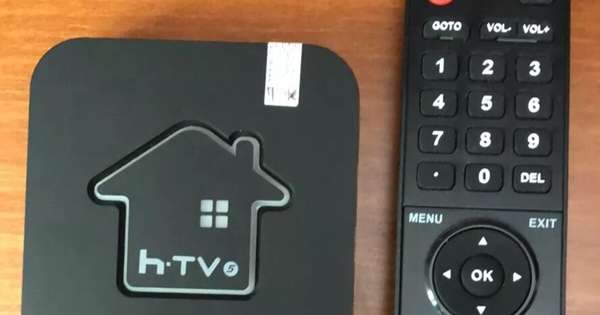

The National Communications Agency (Anatel), based on an investigation with the National Agency for Cinema (Ancine) and the Brazilian Pay Television Association (ABTA), found spyware in devices known as “channel launchers”, also called “gatonet”. The software allows the operator to access user data and public information, according to the study by Anatel.
“With an infrastructure that allows simultaneous control of multiple TV boxes, it will be possible to enable Distributed Denial of Service (DDoS – Distributed Denial of Service) attacks, with the potential to harm public and private organizations that use telecom networks,” he tells Anatel.
Anatel says the study was conducted using devices sold in physical commerce online, and can be easily found in popular malls. Anatel continues, “The tests were carried out with the support of forensic experts and carried out by technicians from the agency using residential infrastructure in the same conditions as the end consumer. These tests will continue to be carried out on other models of TV sets.”
The device itself, which also turns a regular TV into a smart TV, is not considered illegal. However, the vast majority of portals are sold with the service of showing subscription channels, which leads to irregularities. Thus, signing, accessing or selling this type of service is a crime in Brazil – it violates, for example, the Copyright Act (9610/1998) and the Public Telecommunications Law (9472/1997).

Charlotte Whitmore is a contributor at Mediarunsearch.co.uk, covering a broad range of topics including news, politics, business, technology, sport, entertainment, and lifestyle. She focuses on delivering clear, balanced reporting and practical information that helps readers stay informed about current events and emerging developments. Her work highlights stories that matter to everyday audiences, with an emphasis on accuracy, relevance, and accessible journalism that keeps readers connected to the issues shaping the UK and beyond.