
According to research conducted by the University of São Paulo, about 46% of Brazilians wash meat in the kitchen sink, only 31% clean vegetables with running water, and 24% consume undercooked meat. These habits increase the risk of gastrointestinal infections caused by bacteria found in food.
To prevent these problems, infectious disease specialist Dr. Stefan Cunha offers guidance on proper food hygiene, from the correct handling of meat to how to wash fruits and vegetables, highlighting the importance of raising awareness about safe practices in the kitchen.
1. Proper cooking of meat:
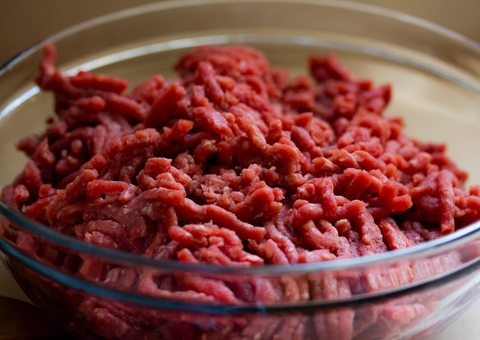
The intestines of meal animals, such as pigs, cows and poultry, contain bacteria such as salmonella and shigella. When dealing with meat, Dr. Stefan emphasizes that washing it is not necessary, as in addition to the spread of bacteria around the sink, which can cause cross-contamination, these organisms are actually destroyed when high temperatures are reached during cooking. The doctor also highlights the importance of not eating half-cooked meat, because this may be an indication that the food was not prepared at the ideal temperature.
2. Fruit hygiene:
In the case of soft fruits, such as pears and apples, the expert suggests simply scrubbing them under running water to remove possible contaminants. But, with fruits with a peel, such as watermelon, watermelon or papaya, you need to be more careful. The outer skin of these fruits may be contaminated, and when using a knife, bacteria from the outside may enter the food. Therefore, it is recommended to wash the surface of these fruits well before cutting them.
3. Bleach soak for wrinkled vegetables:
To ensure the elimination of bacteria in wrinkled vegetables, such as lettuce, an infectious disease specialist recommends soaking the food in a solution of two liters of water with one tablespoon of bleach (hypochlorite). After this process, it is important to rinse the vegetables under running water to get rid of the bleach residue. The use of vinegar is not recommended due to the lack of studies on the ideal concentration.
4. Avoid cross-contamination:
Cross-contamination occurs, for example, when meat is cut on a surface, and then vegetables are prepared in the same place without being properly cleaned. Bacteria in meat can transfer to vegetables, contaminating them. Therefore, according to Dr. Stefan, it is recommended to use different boards for meat and vegetables, to avoid this type of problem during food preparation.
5. Care for eggs and salmonella:
The doctor explains that the presence of salmonella in eggs is related to the intestines of birds. When birds lay eggs near their droppings, bacteria can enter through the shell. To avoid this, it is necessary to look for farms that maintain good hygiene and cleaning practices, ensuring that eggs are collected quickly. Well-maintained farms have fewer contaminated eggs.
It is worth noting that salmonella is sensitive to temperature and is destroyed when eggs are properly cooked. However, it is not recommended to consume undercooked or raw eggs as a preventive measure.

Charlotte Whitmore is a contributor at Mediarunsearch.co.uk, covering a broad range of topics including news, politics, business, technology, sport, entertainment, and lifestyle. She focuses on delivering clear, balanced reporting and practical information that helps readers stay informed about current events and emerging developments. Her work highlights stories that matter to everyday audiences, with an emphasis on accuracy, relevance, and accessible journalism that keeps readers connected to the issues shaping the UK and beyond.