
Credits: :Panuwat Dangsungnoen/istock
The condition can cause narrowing or blockage of the arteries and cause signs and symptoms
High cholesterol is often considered a silent condition because it rarely has symptoms. However, because cholesterol buildup can cause hardening of the arteries in the arms and legs, it can cause signs and symptoms.
The process of hardening of the arteries in the arms and legs is called peripheral arterial disease (PAD).
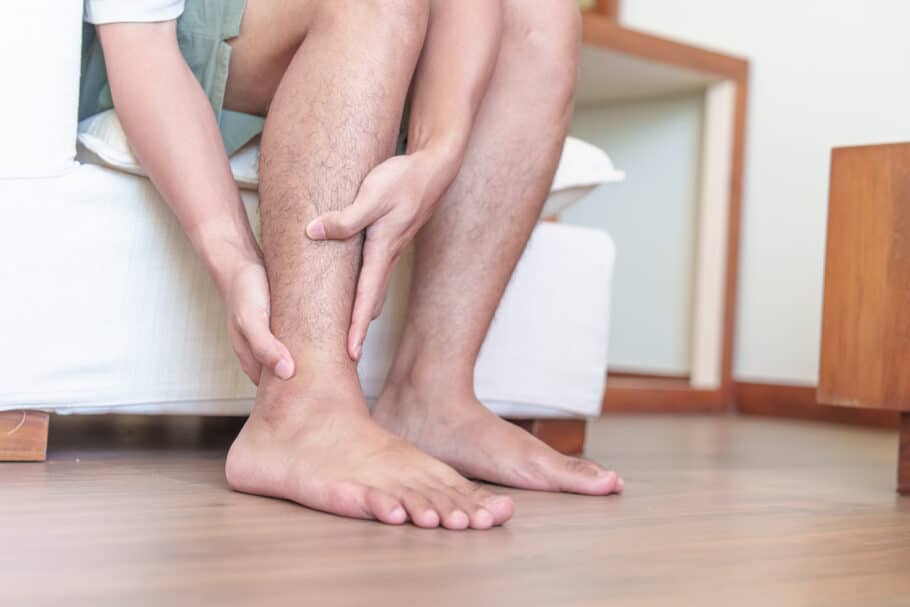
The first sign of peripheral artery disease is painful spasms in the muscles of the hip, thigh, or leg after certain activities. Even low-intensity activities, such as walking or climbing stairs, can cause these pains.
Therefore, if you feel pain in your legs when walking, but the pain stops when you rest, it is important to consult a doctor.
Cholesterol buildup can lead to hardening of the arteries in the arms and legs
Other signs of peripheral artery disease include:
- Coldness in the lower leg or foot, especially when compared to the other side
- Numbness or weakness in the legs
- No or weak pulse in the legs or feet
- Painful spasms in one or both hips, thighs, or leg muscles after certain activities, such as walking or climbing stairs
- Glowing skin on legs
- Changes in skin color on the legs
- Slowed growth of toenails
- Wounds on the toes, feet, or legs that do not heal
- Arm pain, such as cramps when knitting, writing, or performing other manual tasks
- Erectile dysfunction in men
- Slowed hair growth on the legs
How to avoid high cholesterol?
Avoiding high cholesterol involves following a healthy lifestyle and incorporating dietary choices and habits that encourage it Cardiovascular health.
Check out some tips that can help prevent increased cholesterol:
Adopting a healthy diet:
- Choose foods rich in fiber, such as fruits, vegetables, whole grains, beans and legumes.
- Choose lean protein sources such as chicken breast, fish, tofu and legumes.
- Reduce your intake of saturated and trans fats found in fried foods, fast food, processed meats, and processed baked goods.
Choose healthy fats:
- Replace saturated fats with unsaturated fats, found in olive oil, avocados, nuts and seeds.
- Eat fish rich in omega-3 fatty acids, such as salmon, sardines and tuna.
Control your cholesterol consumption:
- Limit your intake of foods high in cholesterol, such as egg yolks, liver, and shellfish.
- Choose hard-boiled or scrambled eggs and avoid frying them in a lot of oil.
Maintain a healthy weight:
- Maintaining an appropriate weight helps control cholesterol levels.
- Regular physical exercise is also important for cardiovascular health.
Avoid smoking:
- Smoking can lower HDL levels (“good” cholesterol) and increase LDL levels (“bad” cholesterol).
Limit alcohol consumption:
- If you consume alcohol, do so in moderation. Excessive consumption can increase triglyceride levels.
Conduct regular checkups:
- Visit your doctor regularly to check your cholesterol levels and other cardiovascular risk factors.

Charlotte Whitmore is a contributor at Mediarunsearch.co.uk, covering a broad range of topics including news, politics, business, technology, sport, entertainment, and lifestyle. She focuses on delivering clear, balanced reporting and practical information that helps readers stay informed about current events and emerging developments. Her work highlights stories that matter to everyday audiences, with an emphasis on accuracy, relevance, and accessible journalism that keeps readers connected to the issues shaping the UK and beyond.