
Close Menu
    Facebook X (Twitter) Instagram
    Trending
    • New Zealand Thrash Australia 43-21 in Bledisloe Cup to Extend Winning Streak
    • Warhammer Age of Sigmar Reveals Three Khazalite Holds Armies of Renown Combining Duardin Forces
    • UK Households Could Face Higher Energy Bills Under Ofgem Plans to Protect Suppliers
    • Shark Nebula Image Wins Royal Observatory Greenwich Astronomy Photography Prize
    • Pre-Orders Open for Camp Snap 110 D Screen-Free Digital Camera
    • Researchers Used Claude to Exploit OpenAI Employee ChatGPT Accounts
    • Sigma Unveils 85mm f/1.2 DG Art as Its Fastest Portrait Lens Yet
    • South Park Creators Rename Show ‘South America’ in Apparent Trump Dig
    Mediarun Search
    • Home
    • Top News
    • World
    • Economy
    • Science
    • Technology
    • Sport
    • Entertainment
    • Contact Us
    Mediarun Search
    Home»Science»World Sleep Day: Consequences of lack of sleep can be devastating, experts say | health
    Science

    World Sleep Day: Consequences of lack of sleep can be devastating, experts say | health

    Charlotte WhitmoreBy Charlotte WhitmoreMarch 18, 2023No Comments3 Mins Read
    Facebook Twitter Pinterest LinkedIn Tumblr Email
    World Sleep Day: Consequences of lack of sleep can be devastating, experts say |  health
    Share
    Facebook Twitter LinkedIn Pinterest Email

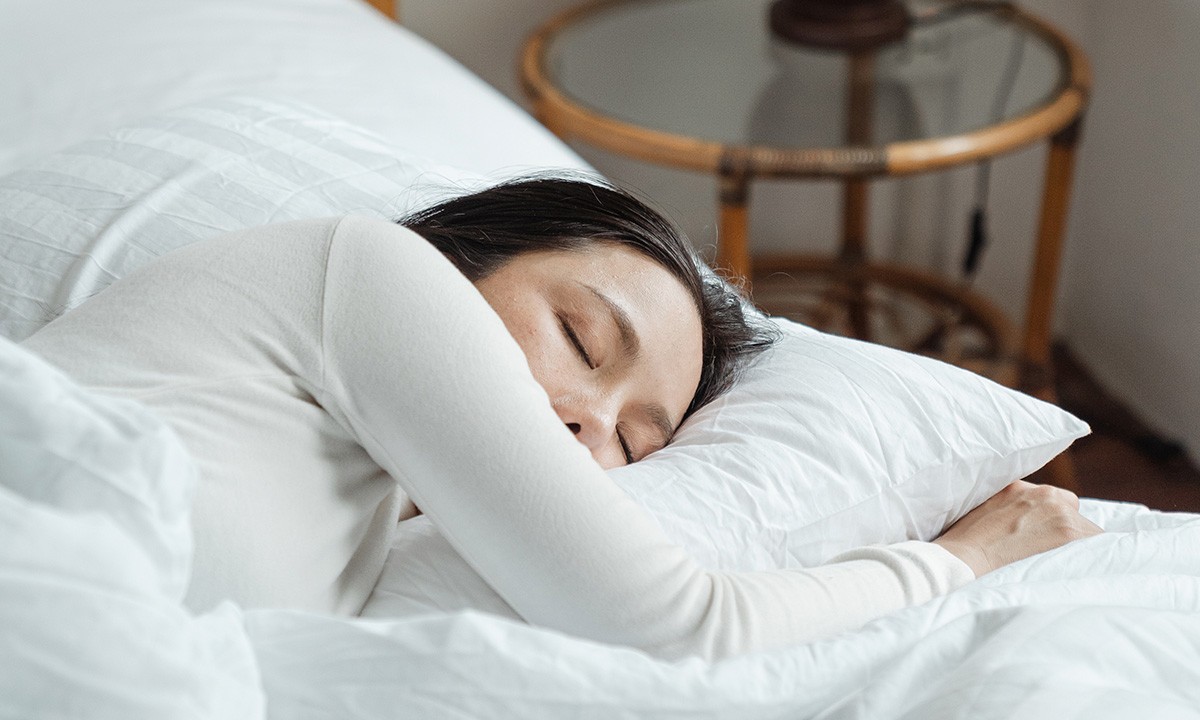
    1 of 3 tips on how to ensure quality sleep – Image: Disclosure
    Tips on how to ensure quality sleep – Image: Disclosure

    So said Professor of Medicine Colin Espy, an expert in sleep quality at the University of Oxford People with insomnia or poor quality sleep are twice as likely to develop depression. The alert was issued on the date on which it was made World Sleep Day.

    The consequences of lack of sleep can be devastating for people. Depression, for example, is more likely to develop in people who suffer from insomnia and lack of sleep. [Não ter um sono de qualidade] It is a risk factor for physical health problems such as diabetes and cardiovascular disease. “We need to combine sleep, diet and exercise as one of the pillars of health,” said the expert.

    Colin Espy also mentioned that Sleep is the main natural source of physical, emotional and cognitive health for humans. For him, a good sleeping position “at the center of our lives” is needed.

    The “Five Principles” of good sleep health are that we must value, prioritize, personalize, trust and protect our sleep. It’s not just about reducing caffeine and having comfortable beds, we need to put quality sleep at the center of our lives. “If we don’t have good nights, we usually don’t have good days,” Espy said.

    Is sleeping more than 8 hours lazy?

    2 of 3 Is 8 hours of sleep ideal for restful sleep? – Image: stefamerpik image on Freepik
    Is sleeping 8 hours ideal for restful sleep? – Image: stefamerpik image on Freepik

    We heard that ideal is He sleeps 8 hours, but not completely. First of all, each individual bachelor. Therefore, there is no magic number of recommended hours. Moreover You need changes with age.

    “Adults sleep between 7 and 9 hours. It is still normal for them to sleep 6 or 10 hours. There is no headline figure, but there is an average for each age group to regain energy, the ability to solve problems and live the day willingly,” explains Sandra Doria , an otolaryngologist specializing in sleep medicine and researcher at the Instituto do Sono.

    See also  Pianos transformed into works of art are scattered throughout Bosnia and Herzegovina. Understand the project

    🕖🕗🕘 Recommendations: According to the National Sleep Foundation, bedtimes are broken down into nine age groups — from newborns to seniors. see below:

    3 of 3 How many hours should we sleep in our lifetime? – Image: Art/g1
    How many hours should we sleep throughout life? – Image: Art/g1

    In some cases, it’s okay to sleep an hour more or less than average. Now, if you know someone who sleeps a lot or a little, that person might be in another group: big or little sleepers. But this audience is very small: About 2% of the population.

    Charlotte Whitmore

    Charlotte Whitmore is a contributor at Mediarunsearch.co.uk, covering a broad range of topics including news, politics, business, technology, sport, entertainment, and lifestyle. She focuses on delivering clear, balanced reporting and practical information that helps readers stay informed about current events and emerging developments. Her work highlights stories that matter to everyday audiences, with an emphasis on accuracy, relevance, and accessible journalism that keeps readers connected to the issues shaping the UK and beyond.

    Share. Facebook Twitter Pinterest LinkedIn Tumblr Email

    Related Posts

    Shark Nebula Image Wins Royal Observatory Greenwich Astronomy Photography Prize

    September 19, 2026

    Rising carbon dioxide is accelerating grass growth across African savannas, study finds

    August 22, 2026

    How to Watch the August 2026 Partial Solar Eclipse from London

    July 28, 2026
    Leave A Reply Cancel Reply

    Navigate
    • Home
    • Top News
    • World
    • Economy
    • Science
    • Technology
    • Sport
    • Entertainment
    • Contact Us
    Pages
    • About Us
    • Contact Us
    • DMCA
    • Editorial Policy
    • Privacy Policy
    © 2026 Media Run Search. All Rights Reserved. Designed by Media Run Search.

    Type above and press Enter to search. Press Esc to cancel.