
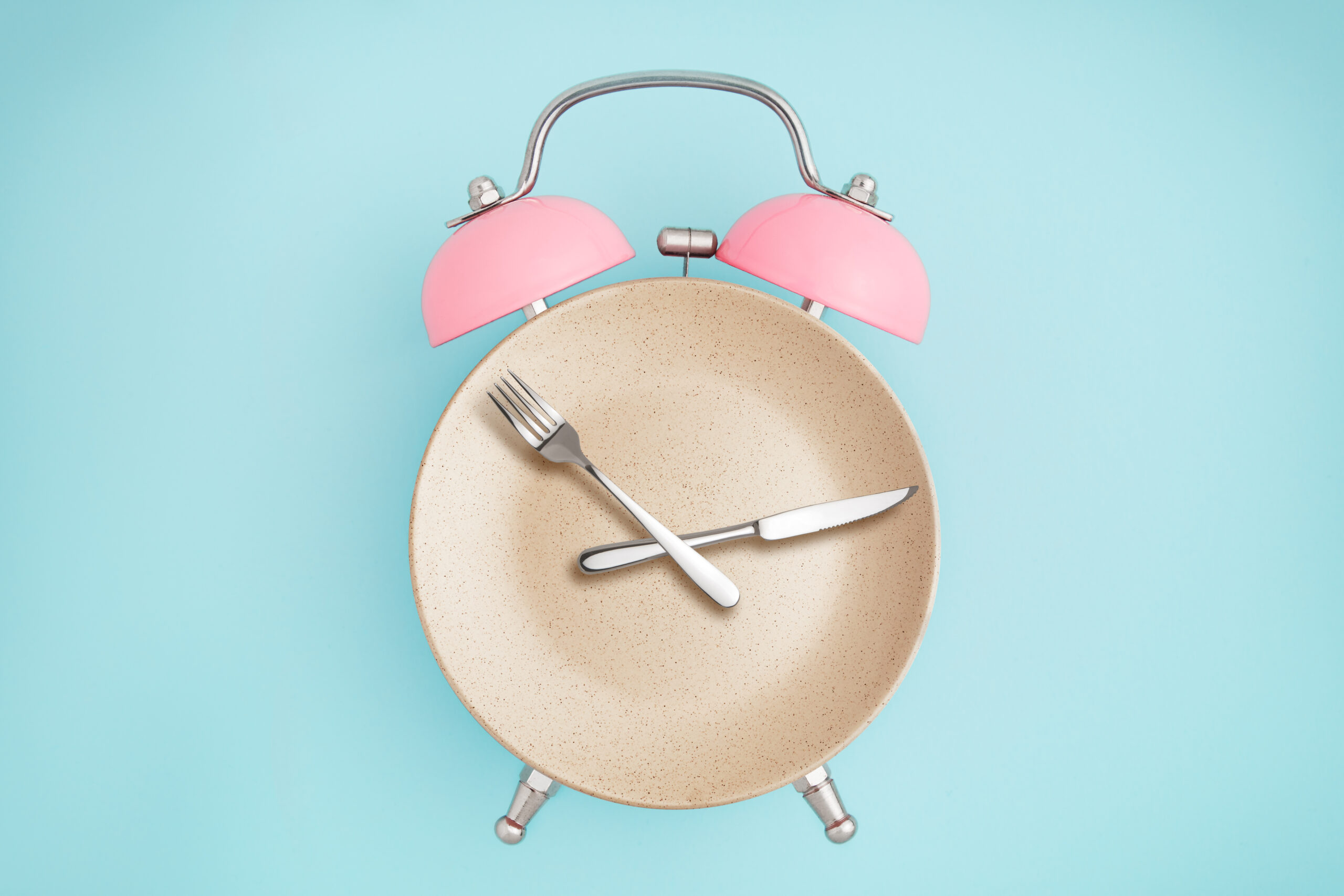
New research published in the Journal of the American Heart Association reveals some of the mysteries surrounding intermittent fasting. The main conclusion is that there is no relationship between times Snack and weight loss in study participants. They even noted that the frequency and amount of food had a greater effect on weight gain than the interval between meals.
Intermittent Fasting: Myth or Reality?
The study, conducted by John Hopkins University in the US, analyzed more than 500 adults. The aim was to see if there was indeed a relationship between the time of the last meal and the participants’ weight gain. Dr. Wendy Bennett, the professor who conducted the study, says that despite the popularity of intermittent fasting, there is still no study proving its effectiveness in practice.
Analysis design
The study was conducted over six years with 550 adults, always assessing the relationship between weight gain and the time between meals. Participants came from three health centers in Pennsylvania and Maryland. Volunteers’ weight was measured at least once before the recording periods, along with their height, approximately two years before the start of the study.
Among the volunteers, 80% of the participants were white adults, 12% were black adults, and 3% were Asian adults.
Most of the participants had higher education and the average age of all was 51. The average body mass index (BMI) was 30.8, considered grade 1 obesity, and the follow-up time for the participants was 6.3 years. The researchers created a file to request which set bedtime, wake-up and eating times which guided the participants daily.
Results
The scientists found that the time between meals was not associated with weight change over the six-year follow-up period. They also noted that the number of calories in meals was associated with weight gain, while smaller meals (less than 500 calories) were associated with fat loss.
Finally, the study did not detect an association between meal times and weight change in a wide range of body weights.

Charlotte Whitmore is a contributor at Mediarunsearch.co.uk, covering a broad range of topics including news, politics, business, technology, sport, entertainment, and lifestyle. She focuses on delivering clear, balanced reporting and practical information that helps readers stay informed about current events and emerging developments. Her work highlights stories that matter to everyday audiences, with an emphasis on accuracy, relevance, and accessible journalism that keeps readers connected to the issues shaping the UK and beyond.