
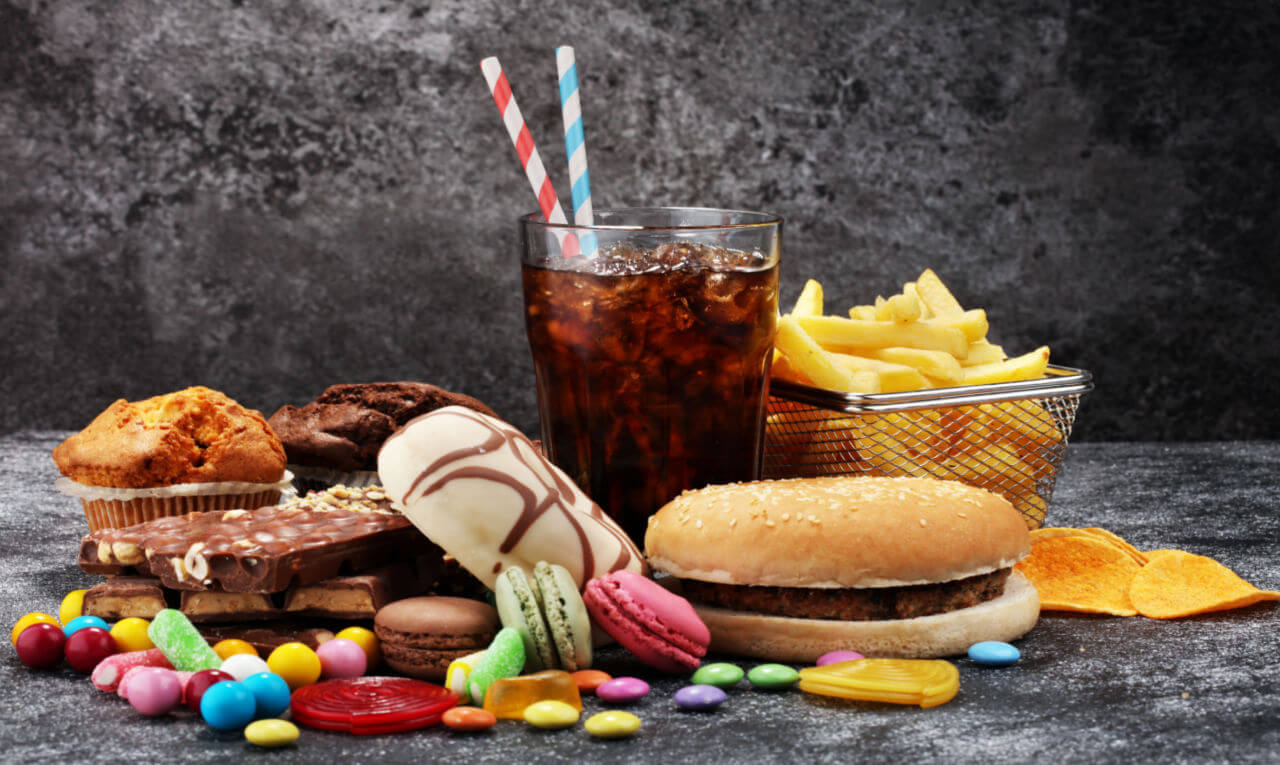
Researchers from the Federal University of Vicausa (UFV) in the state of Minas Gerais have concluded that excessive consumption of ultra-processed foods can increase a person’s chances of developing. depression.
The study is expected to be published in the Journal of Affective Disorders on May 1. During the course of the work, the researchers interviewed 2,572 Brazilian undergraduate and graduate students about their dietary habits and lifestyle.
Study participants had to answer questionnaires every two years, between 2016 and 2020. The questions addressed the frequency and amount of consumption of 144 foods, between highly processed and natural options.
In addition, they were asked about their body mass index (BMI), whether they had diabetes and whether they had been diagnosed with depression. They also had to answer about lifestyle habits, such as whether they smoked or drank alcohol and how many hours per day they watched TV.
results
At the start of the study, according to the researchers, the prevalence of depression in Brazil was 12.8%. The rate is relatively high when compared to the global level, with the disease occurring in 5% of the population, according to the World Health Organization (WHO).
The scientists observed that volunteers who ate the worst diet (31% of their daily diet consisted of ultra-processed foods) were 82% more likely to develop depression than participants who ate 16% of their daily diet from these foods. In all, 246 students were diagnosed with depression.
The depressed group was more likely to be overweight, live alone, watch more TV and consume fewer vitamins. However, the study relied on information provided by the participants, which means that the data may be inaccurate. Therefore, the researchers argue that more investigations are needed to better understand this relationship.
“High consumption of ultra-processed foods is a risk factor for the incidence of depression in Brazilian adults with a higher education level, associated with higher consumption of bonbons/biscuits, soft drinks, sliced white bread, hot dogs/hamburgers, and margarine. Our findings reinforce the importance of public policies and health education strategies to reduce Consumption of these foods, with a consequent decrease in rates of depression.
Other studies on ultra-processed foods
Previously, other studies had already indicated the problems that ultra-processed products cause for health. A study published in the scientific journal Brain, Behavior and Immunity, for example, showed that maintaining a diet with a high concentration of this type of food, for just one month, can cause damage such as memory loss.
Another study, this time from Imperial College London, in the UK, concluded that ultra-processed foods, ready meals and white bread, for example, can increase the risk of cancer by up to 30%.

Charlotte Whitmore is a contributor at Mediarunsearch.co.uk, covering a broad range of topics including news, politics, business, technology, sport, entertainment, and lifestyle. She focuses on delivering clear, balanced reporting and practical information that helps readers stay informed about current events and emerging developments. Her work highlights stories that matter to everyday audiences, with an emphasis on accuracy, relevance, and accessible journalism that keeps readers connected to the issues shaping the UK and beyond.