
Image: reproduction.
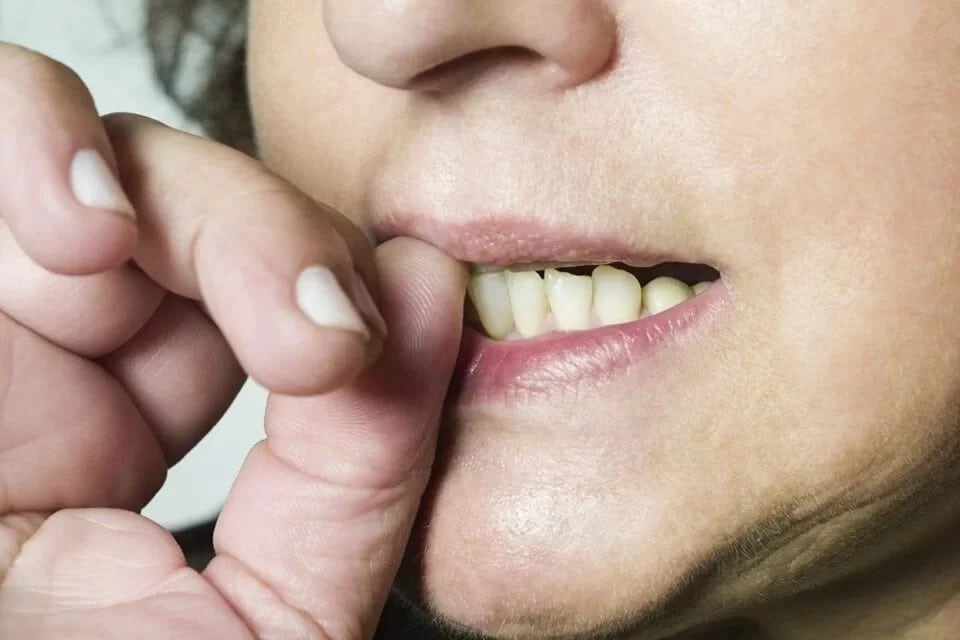
Are you one of those people who cannot bear to see a small piece of skin or cuticle raised near your nails and are already quick to bite or pull it? Experts warn that this may be more than just an aesthetic concern.
Dermatillomania, a mental health condition, causes people to scratch, pull and press their skin, especially the skin of their fingers. It belongs to the spectrum of so-called obsessive-compulsive disorders (OCDs).
In an interview with the Daily Mail, Dr. Dana Brims, a famous health influencer from the United States, explained that many individuals suffer from dermatillomania without realizing it.
“People who pull on their skin to the point of causing damage and wounds may have this condition and should seek medical and psychological help,” he says.
The act of pulling the skin may be a way of responding to stress or fear in patients with this condition. It is estimated that up to 5% of the world's population has or has lived with dermatillomania – and the condition may be more common in patients with other psychiatric disorders.
“The exact cause is not fully understood, but stress and anxiety can worsen symptoms,” Dana says.
Dermatillomania affects people with depression more
A study conducted by Brazilian dermatologists and published in the Brazilian Journal of Dermatology in 2018 revealed that at least 30% of patients with mental illness suffer from dermatillomania and that 80% of them are “significantly” affected by it.
Researchers at the Catholic University of Rio Grande do Sul translated an international measure of state affect and tested it with 63 patients suffering from depression, bipolar disorder and panic disorder. Half of the participants were prone to dermatomanic behaviors, although a closed diagnosis requires more complex assessments.
Signs of dermatillomania
In addition to scratching the skin, dermatillomania has the following symptoms:
- It causes visible skin lesions.
- Making repeated attempts to reduce or stop skin picking to no avail;
- Exposure to severe physical suffering due to this habit, with feelings of embarrassment or shame.
The condition is treated with psychotherapy and a combination of antidepressants may be necessary. Training yourself to replace noxious stimuli with more subtle ones, such as clenching your hands in stressful situations, can also help.
Credits: Capitals.

Charlotte Whitmore is a contributor at Mediarunsearch.co.uk, covering a broad range of topics including news, politics, business, technology, sport, entertainment, and lifestyle. She focuses on delivering clear, balanced reporting and practical information that helps readers stay informed about current events and emerging developments. Her work highlights stories that matter to everyday audiences, with an emphasis on accuracy, relevance, and accessible journalism that keeps readers connected to the issues shaping the UK and beyond.