
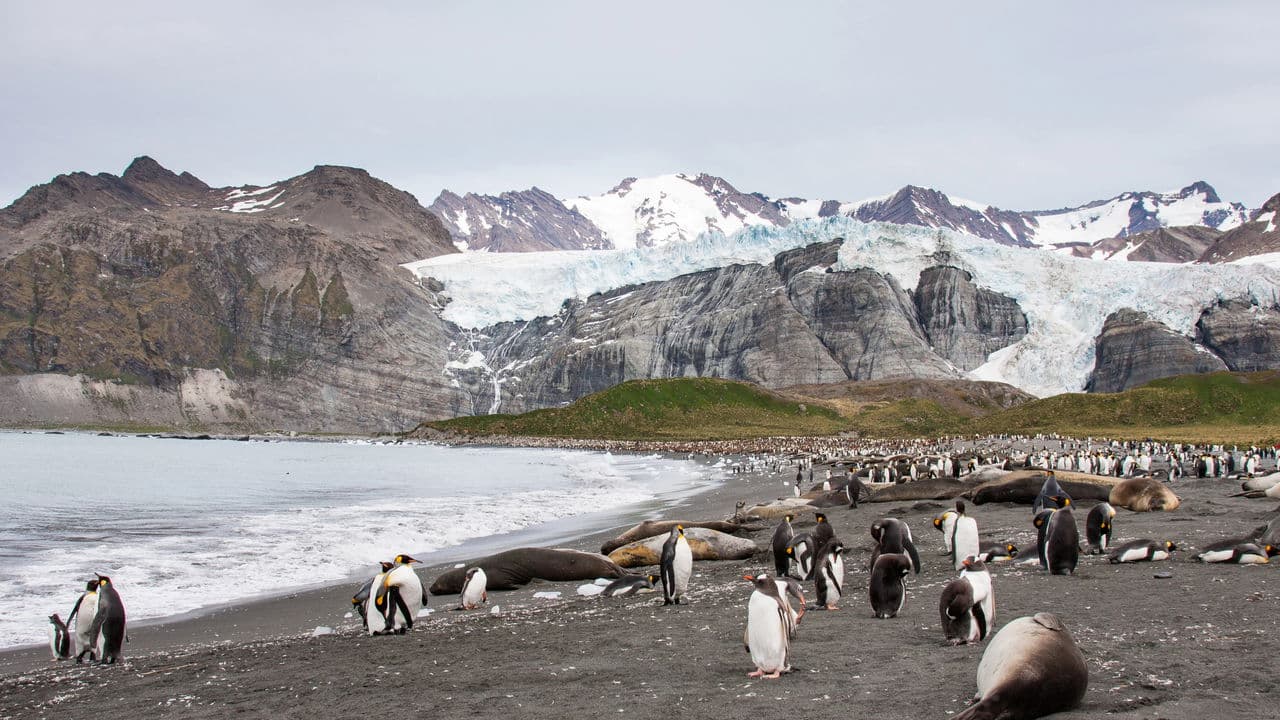
According to the first continental map of Antarctica's vegetation, vegetation is gradually replacing the continent's ice. This phenomenon is a direct result of climate change, and raises concerns about the implications for our ecosystems and human survival.
In response to these changes, scientists have conducted rigorous studies as a warning. One highlight is a detailed mapping of Antarctica’s green areas, led by the University of Edinburgh, Scotland. Using satellite data from the European Space Agency (ESA) and field research, the team aims to understand how vegetation is changing the landscape of the icy continent.
Why are plants replacing ice in Antarctica?
Rising temperatures in recent years have led to the growth of vegetation in Antarctica, occupying areas previously dominated by ice. This phenomenon, although it may seem positive at first glance, worries scientists because of the potential environmental consequences.
According to the researchers, the team identified about 45 square kilometers of vegetation, 80% of which is located on the peninsula and adjacent islands. This green area represents about 0.12% of the total ice-free area of Antarctica. Plant colonization of Antarctica occurs in several stages.
What are the stages of plant colonization in Antarctica?
In Antarctica, plant colonization occurs in several stages:
- Initial stage: Pioneer algae and cyanobacteria settle on the ground, living among soil and sand particles, creating a suitable surface for other organisms.
- Intermediate stage: Lichens and mosses begin to use this surface to grow and anchor themselves.
- Advanced stage: Larger plants can place their seeds in the now soft, moist soil, which helps them grow.
What plant species are native to Antarctica?
In Antarctica, there are only two native vascular plants: Antarctic hairweed and Antarctic pearlweed. Although these species were once rare on the icy continent, rising temperatures in recent years have made them increasingly common.
In addition to native plants, more than 100 “invasive” species have arrived on the continent. Among them, the common grass stands out for its rapid spread across the islands of sub-Antarctica and the Antarctic Peninsula. This uncontrolled growth can lead to major ecological imbalance.
What are the consequences of vegetation replacing ice in Antarctica?
The replacement of ice with plants in Antarctica could lead to major ecological imbalances. Polar ice plays a crucial role in regulating global temperatures and maintaining ocean levels. Continued loss of these ice sheets could lead to:
- Sea level rise: Accelerated ice melt directly contributes to rising ocean levels, impacting coastal communities around the world.
- Environmental changes: Endemic glacial species may lose their habitat, at the same time as new plant species modify the local ecosystem.
- Climate impacts: Ice reflects a lot of solar radiation back into space. Without it, there would be more heat absorption by plants and dark soil, accelerating global warming.
How do scientists respond to these changes?
Scientists are intensifying their research and monitoring of Antarctica’s vegetation to better understand the ongoing changes and their impacts. Using the latest technologies and field missions, they hope to generate accurate data that can guide more effective environmental policies.
Based on the mapping results, future conservation and management measures for Antarctic ecosystems could be implemented to mitigate environmental impacts and protect areas still covered by ice.
As vegetation continues to replace ice in Antarctica, it is critical that the international community recognizes the gravity of the situation and takes proactive steps to address climate change and its devastating impacts.

Edward Langley is a contributor at Mediarunsearch.co.uk, covering a wide range of topics including news, politics, business, technology, sport, entertainment and lifestyle. He focuses on delivering clear, balanced reporting and useful information that helps readers stay informed about current affairs and developing stories. His work highlights issues, trends and events that matter to everyday audiences, with an emphasis on accuracy, relevance and accessible journalism.