
Close Menu
    Facebook X (Twitter) Instagram
    Trending
    • Ogor Mawtribes Gain Powerful New Rules in Upcoming Warhammer Age of Sigmar Battletome
    • Excel World Championship Goes Global as Competitors Tackle Puzzles in the Open Air
    • South East Water Ordered to Fund £30.5 Million Improvement Programme Following Major Supply Failures
    • Adobe Expands User Control Over AI Tools in Lightroom and Photoshop
    • Monitor Audio Radius Series 4G Launches With Ambitions to Redefine Compact Hi-Fi Sound
    • Anthropic to Hold White House Talks After AI Tool Suspension
    • Rayman Legends Retold Confirmed For October Release On Xbox Series X|S
    • Microsoft Tests AI Wearable Devices Designed for Office Workers
    Mediarun Search
    • Home
    • Top News
    • World
    • Economy
    • Science
    • Technology
    • Sport
    • Entertainment
    • Contact Us
    Mediarun Search
    Home»Tech»Black lava and the risk of disaster, discover the Ol Doinyo Lengai volcano
    Tech

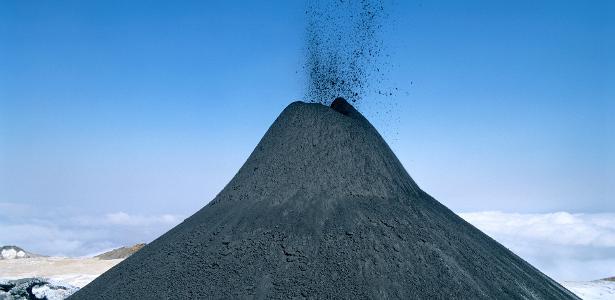
    Black lava and the risk of disaster, discover the Ol Doinyo Lengai volcano

    Edward LangleyBy Edward LangleyAugust 7, 2024No Comments1 Min Read
    Facebook Twitter Pinterest LinkedIn Tumblr Email
    Black lava and the risk of disaster, discover the Ol Doinyo Lengai volcano
    Share
    Facebook Twitter LinkedIn Pinterest Email

    Ol Doinyo Lengai also has the coldest lava in the world, with temperatures ranging from 480°C to 590°C. Other volcanoes contain magma that reaches temperatures of 1200 degrees Celsius.

    What explains the low temperature of lava?

    The absence of silica chains in carbonaceous magma reduces its viscosity and structure, allowing it to erupt at low temperatures. Carbonate magma is composed primarily of calcium carbonate (CaCO3), calcium, carbon dioxide, and sodium, in contrast to silicate magma, which has high levels of silica (SiO2) found in most volcanoes.

    Why black lava?

    Carboniferous lavas are initially dark because of the minerals they are made of.After an eruption, black lava decomposes quickly upon contact with water or humid air, and turns white as it cools and oxidizes.

    The hole is sinking and a disaster may occur.

    Researchers confirmed that the crater is sinking, according to research published in the journal Geophysical Research Letters. The land area, about 0.5 km in diameter, has been shrinking by 3.6 cm per year between 2013 and 2023. This conclusion was reached after analyzing satellite images used to document changes in the terrain around the Ol Doinyo Lengai summit.

    Edward Langley

    Edward Langley is a contributor at Mediarunsearch.co.uk, covering a wide range of topics including news, politics, business, technology, sport, entertainment and lifestyle. He focuses on delivering clear, balanced reporting and useful information that helps readers stay informed about current affairs and developing stories. His work highlights issues, trends and events that matter to everyday audiences, with an emphasis on accuracy, relevance and accessible journalism.

    See also  "Mysterious" blue bubbles in the universe reveal a new type of star system
    Share. Facebook Twitter Pinterest LinkedIn Tumblr Email

    Related Posts

    Excel World Championship Goes Global as Competitors Tackle Puzzles in the Open Air

    July 14, 2026

    Adobe Expands User Control Over AI Tools in Lightroom and Photoshop

    June 16, 2026

    Monitor Audio Radius Series 4G Launches With Ambitions to Redefine Compact Hi-Fi Sound

    June 16, 2026
    Leave A Reply Cancel Reply

    Navigate
    • Home
    • Top News
    • World
    • Economy
    • Science
    • Technology
    • Sport
    • Entertainment
    • Contact Us
    Pages
    • About Us
    • Contact Us
    • DMCA
    • Editorial Policy
    • Privacy Policy
    © 2026 Media Run Search. All Rights Reserved. Designed by Media Run Search.

    Type above and press Enter to search. Press Esc to cancel.