

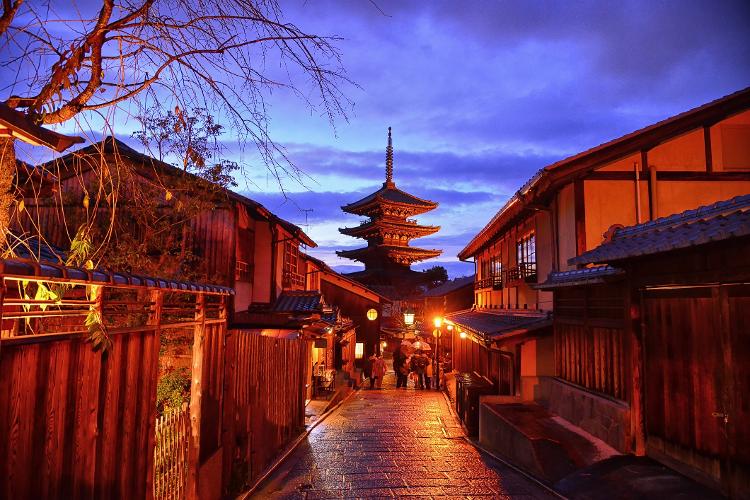
This is not the first time Kyoto Prefecture has launched initiatives to protect geisha — performers who wear kimonos and traditional makeup to sing and dance for customers during dinners, parties and other gatherings. In 2015, according to the American CNN network, leaflets were distributed by local authorities demanding an end to “uncomfortable activities,” such as photographing them while on duty.
In 2019, the recommendation became a ban and taking a photo of them in the area filled with picturesque tea houses began to result in a fine.
“People who take pictures of Gion from the main street and tourists who take pictures of geisha from afar probably don't know the rule against photography. But I think foreigners are waiting for a geisha to appear in the alleys of Gion, where photography is forbidden. They know the rules and ignore them. Even if we warn tourists, it is difficult to make them understand,” Ota complained to the car at the time.
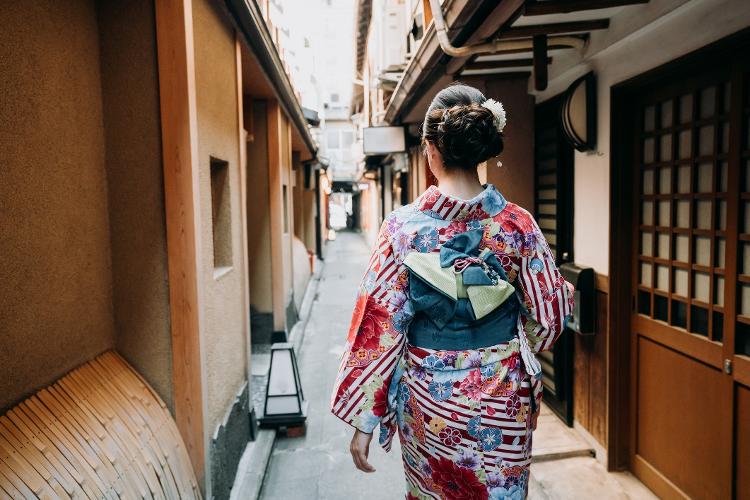
Visitors' behavior also disturbs residents of the historic district. When referring to tourism practices a few months ago, the local council concluded that “Kyoto is not an amusement park.” However, the challenges are not limited to the city.

Oliver Ashford is a contributor to Mediarunsearch.co.uk, covering a broad range of topics including news, politics, business, technology, sport, entertainment and lifestyle. He focuses on delivering clear, balanced reporting that helps readers stay informed about current affairs and developments that matter. With an emphasis on accuracy, relevance and accessibility, Oliver aims to present useful information and engaging stories in a straightforward manner, making complex topics easier for readers to understand and follow.