
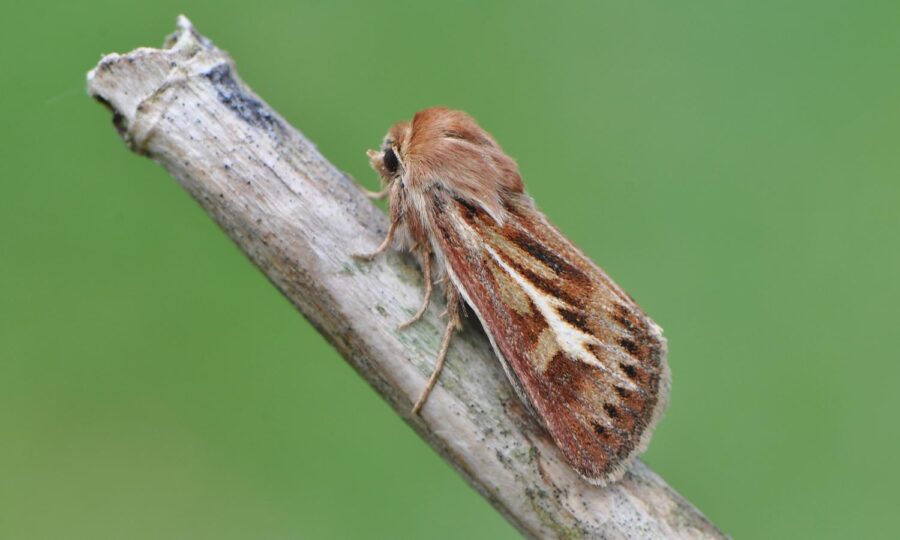
Climate change is changing precipitation patterns, making rainfall less frequent and erratic in many parts of the Earth, making water unavailable to habitats. That drought threatens the survival of many moth species in the UK.
A study by Butterfly Conservation and researchers at Northumbria University reveals that butterflies are disappearing from drier and warmer places in the UK.
About 10% of Britain’s largest moth species are concentrated in cooler habitats where water plays a key role, particularly in the northern parts of the country. However, they occur further south, in higher elevations and wetlands.
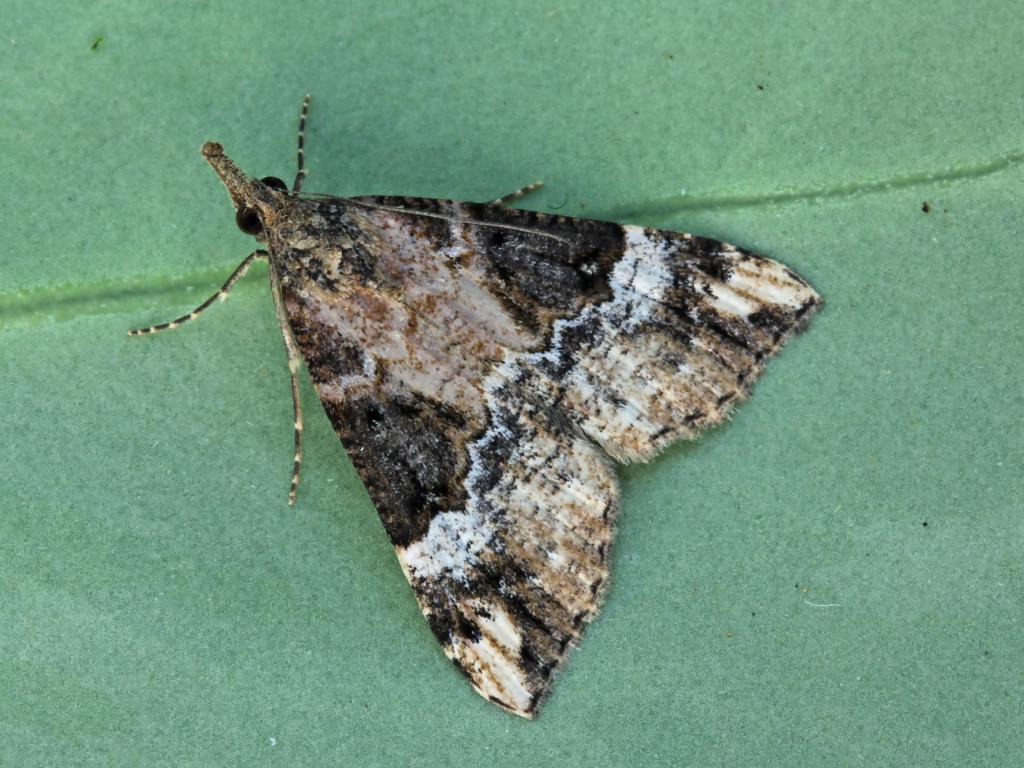
Photo: Peter Madden / Butterfly Conservation
However, the numbers of these winged insects have been declining over the past few decades, and experts suspect that climate change is a major cause.
Analyzing more than 40 years of data collected by butterfly conservation volunteers, researchers found that moths best adapted to colder environments have migrated to cooler climates in the north-west of the UK, but some species have disappeared entirely in the south. and eastern regions, where local extinctions take place in warmer and drier regions.
On the other hand, they found that moths stay in warmer regions as long as there is a high amount of rainfall that allows the survival of plants on which caterpillars (one of the developmental stages of moths, like butterflies) depend. Feed and grow.
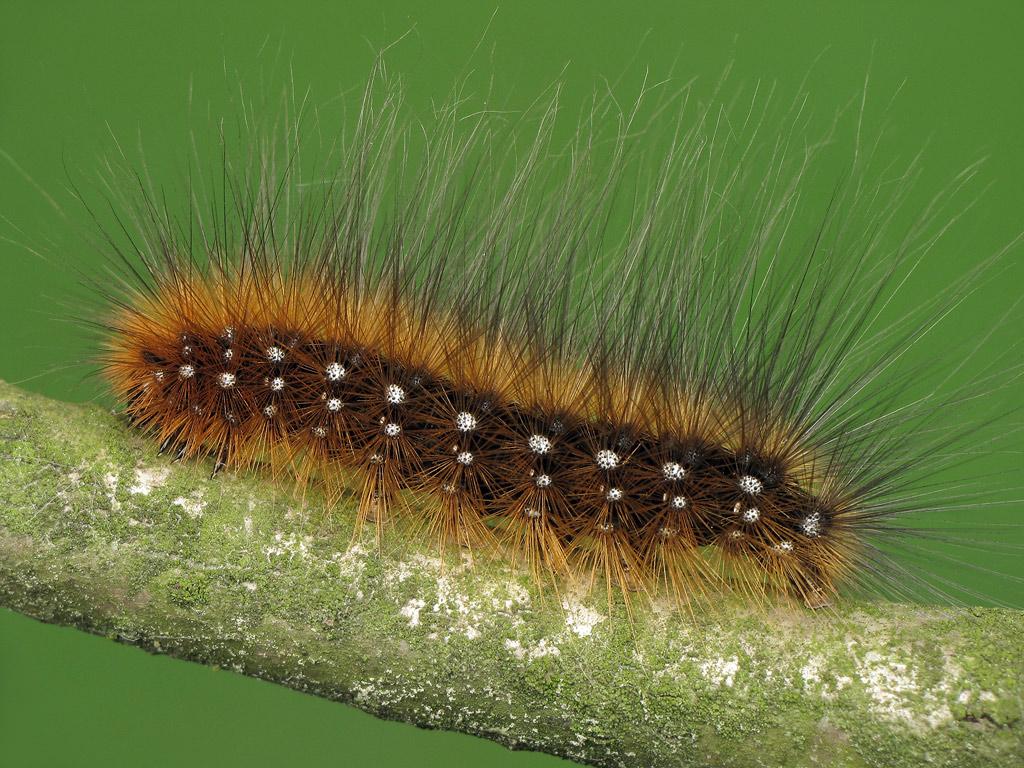
Photo: Ryszard Szczygieł / Butterfly Conservation
“Cold-adapted species, like the British moths in our study, will be the first to struggle as the climate warms,” notes Lisbeth Hartley of Butterfly Conservation.
Researcher and principal author The study was published this week in the journal ‘Ecology Letters’, warns that the intensity of predicted climate change will raise temperatures in many parts of the UK, exacerbating the pace of local moth extinctions. Therefore, he argues, “to conserve these species, it is increasingly important to adapt land management to increase water retention.”
Therefore, the authors argue the importance of better water management to maintain moth habitats at high temperatures, with high levels of humidity. They say that by controlling grazing and increasing the number of trees that help retain water in the soil, they benefit moths and are critical to the survival of many wild species. For carbon sequestration and flood protection.
