
The National Oceanic and Atmospheric Administration's (NOAA) Space Weather Prediction Center has warned of the potential for impacts to Earth from multiple solar flares. They started on the 21st and are scheduled to continue this week.
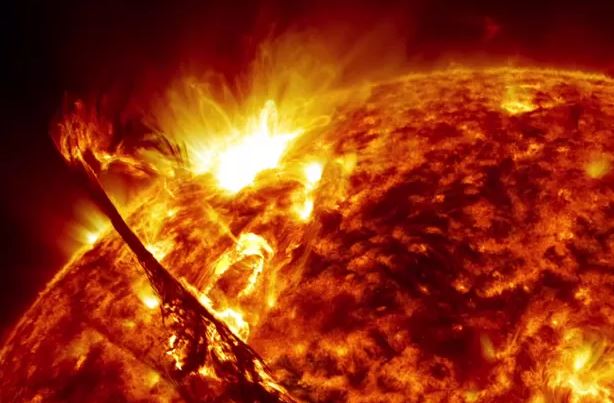 A solar storm may hit Earth this week – Image: NASA Goddard Space Flight Center/SDO/ND
These phenomena, characterized by the Sun's coronal mass ejection, can trigger geomagnetic storms, leading to auroras and instability in high-frequency instruments.
The National Oceanic and Atmospheric Administration (NOAA) did not specify the severity of the event, but noted potential impacts as early as January 24, with more significant levels between January 25 and 26.
G1- Minor geomagnetic storm warnings have been issued for these days, with the possibility of them intensifying if there is more direct contact with the Earth's magnetic field.
The Space Weather Prediction Center reassures that “these outbursts are not uncommon.” The aurora borealis is likely to be seen in the United States, between New York and Idaho.
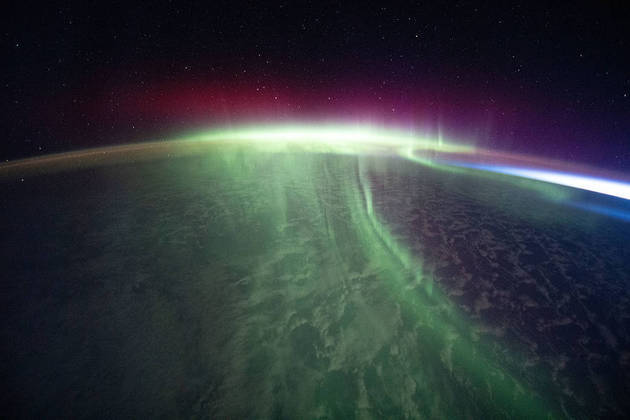 The aurora borealis, whether northern or southern, is also a stunning sight when viewed from space. This image was taken by the International Space Station when it was located 440 kilometers above Earth, more specifically between Australia and Antarctica – Image: Reproduction/NASA
Space physicist Tamitha Skov said that this phenomenon should not cause concern, but it may lead to changes in the color of the sky and possible interference with communications and electrical systems.
Watch the solar storm:
We have one, if not two #Solar storms Headed to Earth today! The first was launched near area 3555. It is expected to strike early to midday on January 22. The second is a sideways storm that launched near 3559. It could give us a lightning strike on January 23. There are also unstable threads in… pic.twitter.com/Iwe744c5xe
– Dr. Tamitha Skov (@TamithaSkov) January 21, 2024
